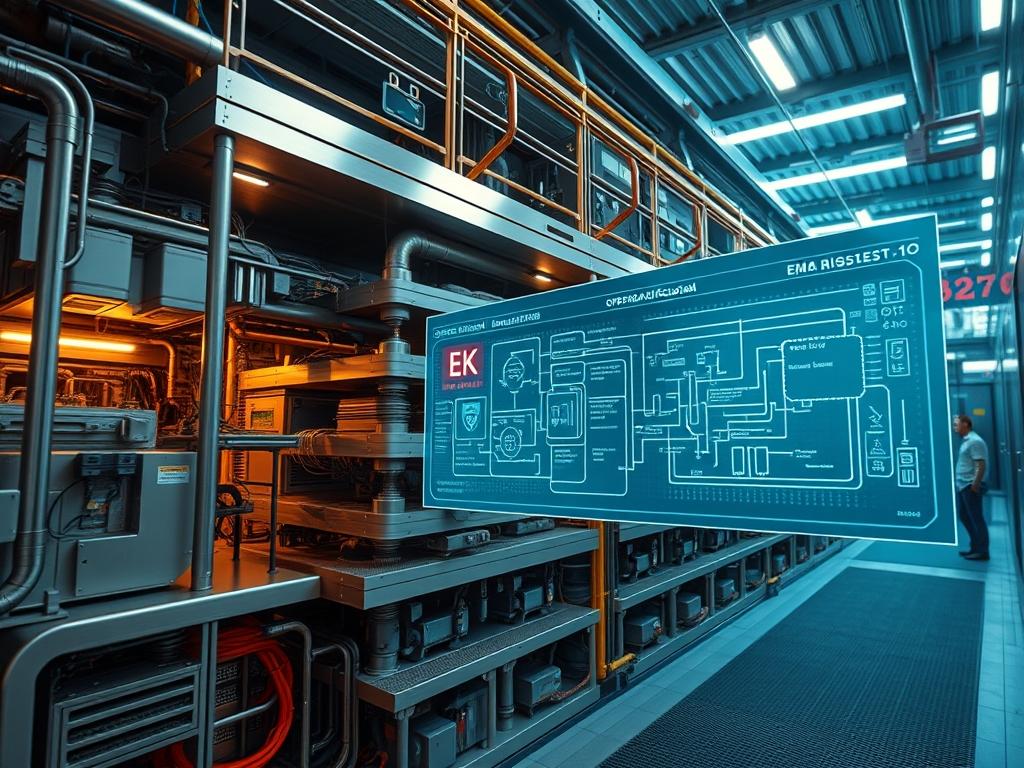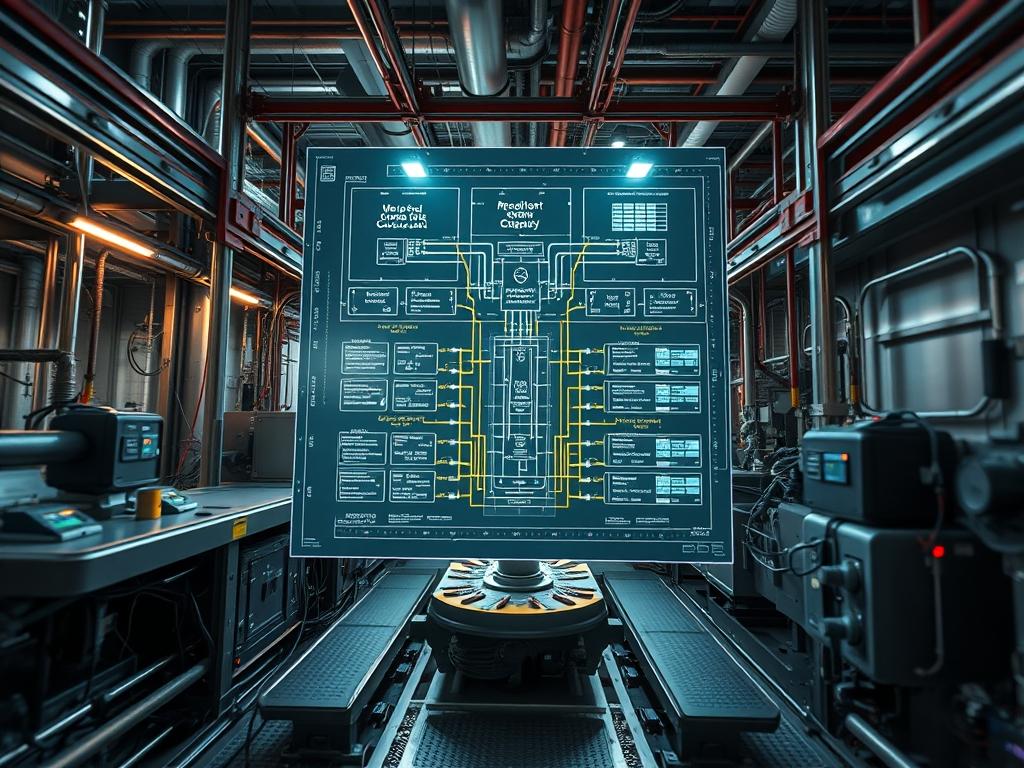
Integrating Predictive Service with EMS Maintenance Management Module

EMS Maintenance Management Module

Integration of the Predictive Service with the EMS Maintenance Management Module represents a critical advancement in industrial automation. Historically, maintenance within energy and utility grids relied on static intervals; this method results in significant overhead and unnecessary hardware wear. By implementing a predictive layer, the system transitions toward a dynamic reliability model. This module sits … Read more

Maximizing Savings through Dynamic Tariff Response Logic

Dynamic Tariff Response Logic

Dynamic Tariff Response Logic represents the computational framework used to modulate industrial load profiles in real time based on fluctuating utility pricing signals. In modern infrastructure, this logic serves as a critical bridge between Distributed Energy Resources (DERs) and the centralized grid management system. The core objective is to achieve cost optimization by shifting high-consumption … Read more

Bridging Local and Global Control via EMS Microgrid Controller Link

EMS Microgrid Controller Link

Integration of the EMS Microgrid Controller Link constitutes a critical requirement for high availability power distribution architectures. This bridge functions as the primary nervous system between localized energy assets: including solar arrays, battery energy storage systems (BESS), and diesel backup generators: and the global supervisory control and data acquisition (SCADA) or cloud management layer. In … Read more

Automating Server Rooms via Energy Efficient Cooling Logic

Energy Efficient Cooling Logic

Energy Efficient Cooling Logic (EECL) represents the architectural integration of real-time thermal telemetry into the automated environmental control systems of modern data centers. In traditional server room environments, cooling infrastructure often operates on static set-points that lead to significant energy waste; the systems consume power at peak levels regardless of the actual computational payload. EECL … Read more

Standardizing Incident Response through EMS Alert and Event Logging

EMS Alert and Event Logging

EMS Alert and Event Logging functions as the centralized telemetry and diagnostic nervous system within modern industrial and cloud architectures. Whether deployed in an energy grid, water treatment facility, or high density data center, the standardization of how logs are captured and alerts are dispatched determines the operational resilience of the entire stack. The objective … Read more

Integrating Advanced Real Time Power Flow Analysis in EMS

Real Time Power Flow Analysis

Real Time Power Flow Analysis serves as the central analytical engine within a modern Energy Management System (EMS). It enables utility operators to move beyond static, pre-calculated contingency plans into a dynamic, state-aware operational posture. In the context of increasing renewable penetration and volatile load profiles; relying on historical averages introduces unacceptable risks to grid … Read more

Improving Query Speed with EMS Database Schema Optimization

EMS Database Schema Optimization

EMS Database Schema Optimization represents the critical intersection of high-frequency data ingestion and low-latency analytical retrieval within modern utility and industrial frameworks. In the context of an Energy Management System (EMS), the database serves as the central nervous system for telemetry historical archives; it must ingest millions of data points from smart meters, thermal sensors, … Read more

Comparing Assets through Energy Performance Benchmarking

Energy Performance Benchmarking

Energy Performance Benchmarking represents the critical baseline for infrastructure optimization and operational transparency within modern technical stacks. By establishing a rigorous quantitative framework, architects can evaluate the efficiency of physical assets; ranging from hyperscale data centers to industrial manufacturing lines; against localized baselines or global standards. This process solves the fundamental problem of “invisible waste” … Read more

Protecting Infrastructure via EMS Security Access Control

EMS Security Access Control

EMS Security Access Control functions as the primary defensive layer for Critical National Infrastructure (CNI); providing a unified framework for managing both physical access and logical data flow within Supervisory Control and Data Acquisition (SCADA) environments. Modern infrastructure architectures face a critical vulnerability: the fragmentation between physical entry sensors and digital command protocols. EMS Security … Read more

Managing Portfolios through Multi Site Energy Consolidation

Multi Site Energy Consolidation

Multi Site Energy Consolidation functions as the primary orchestration layer for distributed physical infrastructure. It addresses the fragmentation of telemetry data across divergent geographical nodes by implementing a unified data ingestion pipeline. This process moves beyond simple monitoring; it establishes a high throughput framework where energy consumption, generation, and storage metrics are normalized and aggregated … Read more